
Attic Ventilation: A Comprehensive Guide for Homeowners in NYC and the Tri-State Area
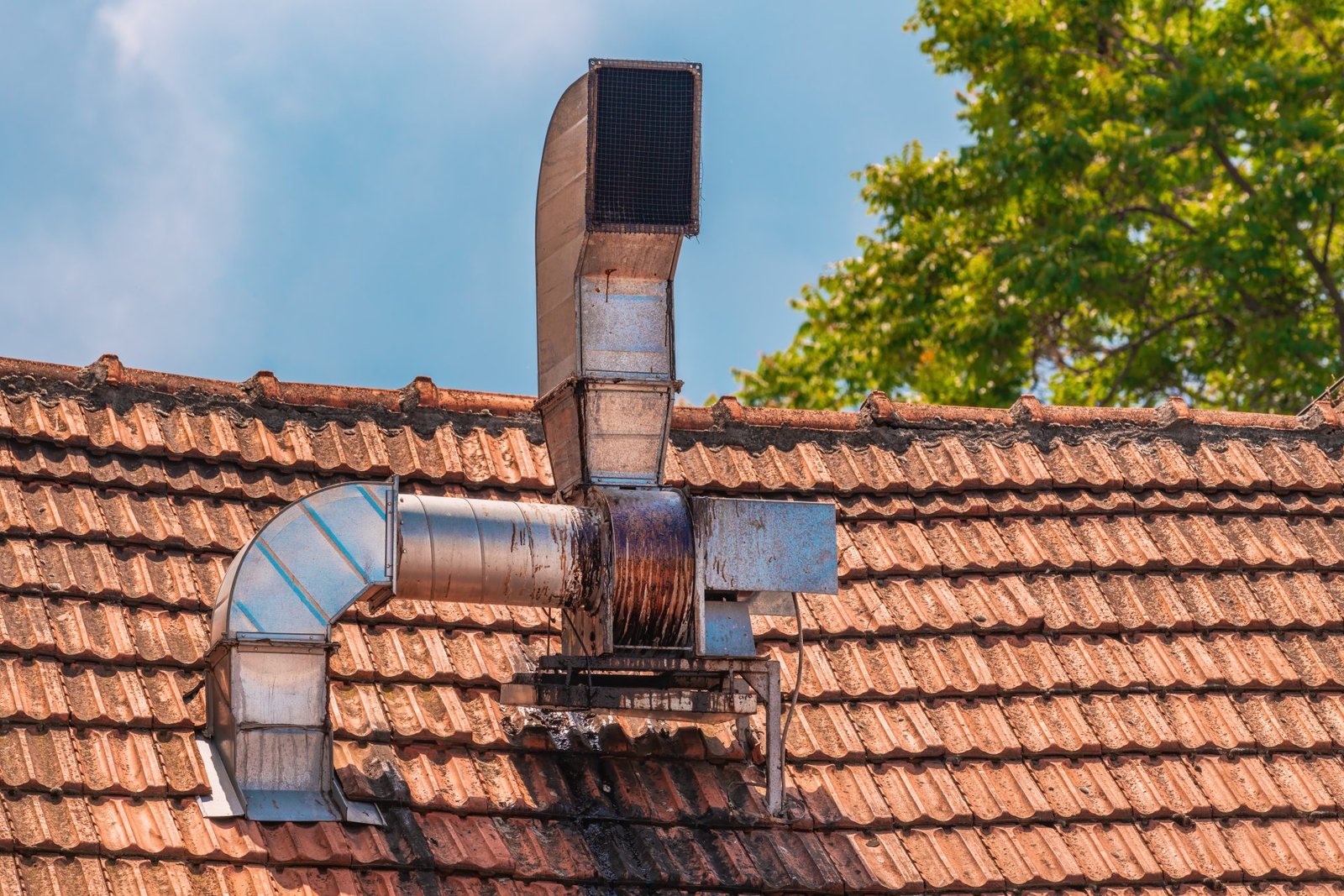
Balanced Roof Ventilation Helps Protect Your Roof, Improve Comfort, and Extend System Life
Attic ventilation is one of the most overlooked parts of a healthy roofing system, yet it plays a major role in protecting your home, improving energy efficiency, and extending the life of your roof. Many homeowners focus on shingles, flashing, and gutters, but ventilation is what helps regulate moisture and temperature inside the attic space. At Madison Roofing NYC, we help homeowners throughout New York City and the Tri-State area understand how proper ventilation supports the overall roofing system and prevents long-term problems like mold, ice dams, and premature roof
failure. In this guide, we’ll explain why balanced attic ventilation matters, the most common types of roof vents, and how to create an efficient ventilation strategy that supports the longevity and performance of your roof.
Why Attic Ventilation Matters for NYC and Tri-State Homes
Homes across Staten Island, Brooklyn, Queens, Manhattan, the Bronx, and nearby areas experience major seasonal shifts. Summer heat can trap high temperatures in the attic, while winter weather brings freezing conditions that create moisture and ice risks. Without proper ventilation, these temperature changes can cause roofing materials to break down faster and create problems inside the home. Balanced attic ventilation helps prevent heat buildup and moisture retention, which are two of the biggest contributors to roofing system damage over time.
What Is Balanced Attic Ventilation?
Balanced attic ventilation means your attic has the correct combination of air intake and air exhaust to keep airflow consistent and effective. Intake vents draw in fresh, cooler air from outside, typically from the lower part of the roof system. Exhaust vents release warm, moist air from the upper area of the roof. When intake and exhaust are balanced, air moves properly through the attic instead of becoming trapped. That airflow protects your roof structure, insulation, and indoor comfort levels.
Benefits of Proper Attic Ventilation
A properly ventilated attic helps support the performance of your roofing system and the overall health of your home. Key benefits include:
• extends the lifespan of shingles and roofing materials
• reduces attic heat buildup in summer
• helps prevent ice dams in winter
• lowers moisture levels that can cause mold and mildew
• protects attic insulation from dampness and compression
• supports consistent indoor temperatures and comfort
• may help reduce energy costs by easing HVAC strain
What Happens When Attic Ventilation Is Poor
When attic ventilation is inadequate or unbalanced, problems can develop slowly and become expensive over time. Common risks include:
• overheated attic spaces that accelerate shingle breakdown
• trapped moisture that leads to mold growth
• rotted roof decking and structural deterioration
• insulation damage and reduced energy efficiency
• peeling paint, stains, and humidity issues inside the home
• ice dams that cause hidden roof leaks in winter
Even if a roof looks fine from the outside, poor ventilation can shorten its lifespan and increase the likelihood of repairs.
Types of Roof Vents Homeowners Should Know
There are several types of intake and exhaust vents used to create effective roof ventilation. The right option depends on your roof design, attic size, and existing roof system. Below are the most common types Madison Roofing NYC evaluates and installs.
Intake Vents
Intake vents allow cooler outside air to enter the attic, typically through the lower portion of the roof system. Common intake vent options include:
• soffit vents installed under the eaves
• vented drip edge options for additional intake support
• gable vents in certain home designs, although they may not create balanced flow without proper exhaust pairing
Exhaust Vents
Exhaust vents allow warm, moist air to escape from the attic, typically near the roof peak or highest point. Common exhaust vent options include:
• ridge vents installed along the roof peak
• box vents placed near the upper roof area
• powered attic fans used in select setups, depending on building design and airflow needs
• gable vents in some roof configurations, although they may not provide consistent upward airflow like ridge systems
Ridge Vents Why They Are Popular
Ridge vents are one of the most effective exhaust vent options because they allow hot air to escape naturally from the highest point of the roof. They also provide ventilation across the roofline rather than relying on a single vent location. Ridge vents work best when paired with proper soffit intake vents to create consistent airflow throughout the attic.
Box Vents When They Are Used
Box vents are installed in the upper roof surface and are often used when ridge vent installation is not possible due to roof design. They can still be effective but may require multiple vents placed strategically to create adequate exhaust coverage.
Powered Attic Fans Pros and Considerations
Powered attic fans can help remove heat from attic spaces, but they must be installed carefully. In some cases, powered fans can pull air from the living space below if intake ventilation is not sufficient, which can reduce energy efficiency. Madison Roofing NYC evaluates whether powered ventilation makes sense based on roof layout, attic conditions, and existing airflow balance.
How to Create an Efficient Ventilation System
An efficient ventilation system is not just about adding vents. It requires correct placement, airflow balance, and proper insulation conditions. Strategies for improving attic ventilation include:
• ensuring intake vents are open and not blocked by insulation
• confirming exhaust vents are installed at the highest effective point
• balancing airflow so intake and exhaust work together
• sealing air leaks from the living space into the attic
• improving insulation while maintaining proper airflow pathways
• avoiding ventilation setups that compete with each other and disrupt consistent airflow
How Ventilation Supports Roof Longevity
Your roof performs best when the space beneath it stays stable, dry, and well-regulated. Balanced ventilation reduces extreme attic temperatures, lowers moisture buildup, and helps prevent the conditions that lead to premature roofing failure. This is especially important during roof replacement, since ventilation upgrades can often be completed at the same time to improve long-term performance and protect your investment.
Signs Your Home May Have Ventilation Issues
Some homeowners do not realize they have ventilation problems until damage becomes visible. Signs of possible attic ventilation issues include:
• unusually hot upper floors in summer
• musty odors or damp attic conditions
• mold or mildew visible in attic spaces
• ice dams forming along roof edges in winter
• rising energy bills with no clear explanation
• shingles that appear prematurely worn or curling
• moisture stains or condensation in attic areas
If any of these issues appear, a roof inspection can help determine whether ventilation corrections are needed.
Attic Ventilation and Roof Replacement in NYC and the Tri-State Area
Ventilation is often evaluated during roof replacement because a new roof system is the best time to ensure everything beneath the surface is working properly. Madison Roofing NYC considers roof type, attic structure, insulation placement, airflow needs, and overall building performance to recommend the right ventilation strategy. Proper attic ventilation is especially valuable for homeowners who want to avoid repeated roof repairs, premature shingle wear, and seasonal moisture issues.
Roofing Services in NYC and the Tri-State Area by Madison Roofing NYC
Madison Roofing NYC provides roof replacement, roof repairs, flat roof installation, storm damage inspections, and preventative roof evaluations throughout Staten Island, Brooklyn, Queens, Manhattan, and the Bronx, with Tri-State area service support based on property needs. We help homeowners protect their roofs through quality materials, expert installation, and the ventilation strategies that support long-term roof performance.
Schedule a Roof Inspection to Evaluate Attic Ventilation
If you are planning a roof replacement or you suspect ventilation issues may be affecting your home, a professional inspection is the best next step. Madison Roofing NYC can assess your attic ventilation balance, identify moisture or airflow concerns, and recommend improvements that enhance roof longevity and home comfort. Contact Madison Roofing NYC today to schedule a roof inspection and request an estimate tailored to your property.

