
Preparing Your Roof for Solar Panel Installation: Essential Steps and Considerations in NYC and the Tri-State Area
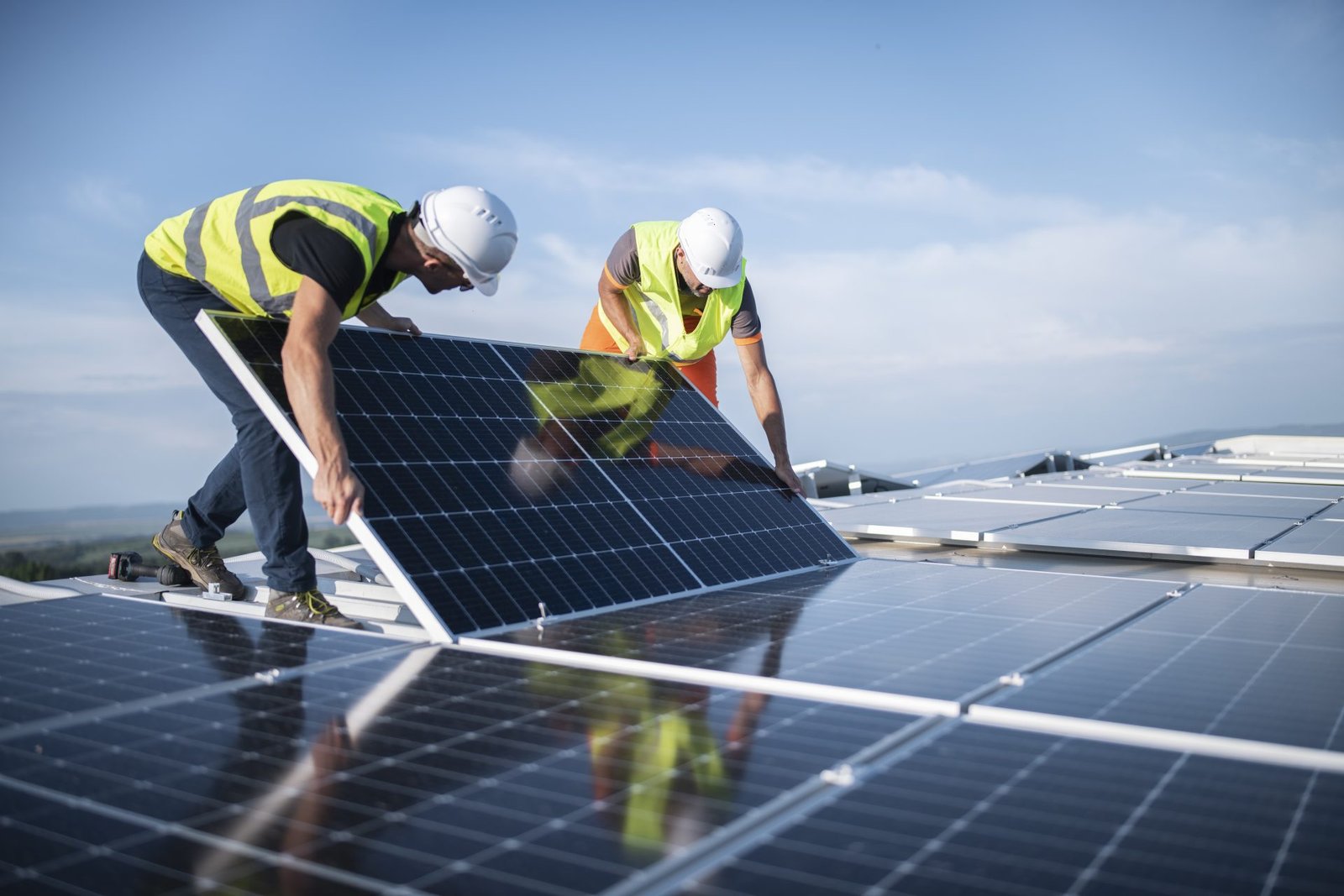
Make Sure Your Roof Is Solar-Ready Before You Invest in Panels
Installing solar panels is an exciting upgrade that can improve energy efficiency and add long-term value to your property. But before panels ever go on your roof, the roof itself must be in the right condition to support them safely and perform reliably for years. At Madison Roofing NYC, we help homeowners and commercial property owners throughout New York City and the Tri-State area prepare their roofing systems for solar installations by focusing on structural integrity, leak prevention, and long-term durability. This guide breaks down the most important steps and considerations for getting your roof solar-ready, so you can protect your investment and avoid costly issues later.
Why Roof Preparation Matters for Solar Panel Installation
Solar panels are designed to last for decades, and once installed, they can make roof access and roof repairs more complicated. If your roof is already near the end of its lifespan, has hidden water damage, or has weak areas that aren’t addressed beforehand, the solar installation can increase the risk of leaks and future disruption. Preparing your roof properly helps reduce the chance of emergency repairs, prevents water infiltration around mounting hardware, and supports long-term performance for both the roof and the solar system.
Step 1 Schedule a Professional Roof Inspection
The first step in preparing your roof for solar panels is to schedule a professional roof inspection. Madison Roofing NYC evaluates the roof surface, flashing, drainage, and structural components to determine if the roof is strong enough and healthy enough for a solar installation. During an inspection, key areas we check include:
• roof age and overall condition
• signs of leaks or moisture damage
• sagging areas or soft spots in the decking
• condition of shingles, membrane seams, or flat roof materials
• flashing around chimneys, skylights, and roof penetrations
• drainage performance on flat and low-slope roofs
An inspection provides clarity on whether your roof needs repairs or a full replacement before solar installation begins.
Step 2 Confirm Your Roof Has Enough Remaining Lifespan
Solar panels are a long-term investment, so it’s important that your roof can last alongside them. If your roof is already approaching the end of its life, it may be smarter to replace the roof first rather than installing solar and needing roof replacement soon after. Removing and reinstalling panels can increase cost and complexity. In many cases, installing solar panels on a new or recently replaced roof provides the best long-term value and reduces the chance of interruptions later.
Step 3 Evaluate Roof Structure and Load Capacity
Solar panels add weight to a roof system, and structural integrity is essential. While many roofs can support panels, the framing and decking must be in good condition. Madison Roofing NYC helps property owners evaluate whether structural reinforcements may be needed based on roof design, building age, and material type. Structural considerations may include:
• roof framing strength and condition
• roof deck integrity and attachment
• signs of water damage in attic spaces or roof supports
• building-specific design factors common in NYC properties
For older homes or buildings with known structural concerns, a structural review may be recommended before installation.
Step 4 Understand Roof Type and Installation Compatibility
Not all roofing systems are the same, and solar panel mounting methods can vary depending on your roof type. NYC properties often have flat or low-slope roofs, while many residential homes in parts of Staten Island, Brooklyn, and Queens may have pitched roofs with shingles. Solar compatibility depends on the roofing system because mounting hardware must be installed in a way that protects waterproofing layers. Roof type considerations include:
• asphalt shingle roofs require secure attachment and properly sealed penetrations
• flat roofs may use ballasted systems or mounted systems depending on design
• low-slope roofs require careful waterproofing around mounting points
• roof membrane systems must be protected to prevent punctures and seam issues
Madison Roofing NYC can guide you on how the roof system affects solar installation planning.
Step 5 Address Drainage and Water Flow on Flat Roofs
Proper drainage is critical for flat roofs, especially in NYC where heavy rain and seasonal weather changes are common. Solar panel layout should not block drains or worsen ponding water issues. Standing water can shorten the life of a flat roof and create leak risks. Before installation, it’s important to ensure:
• drains and scuppers are clear and functioning
• the roof slopes properly toward drainage points
• the solar system layout will not interfere with water flow
• roof edges, seams, and flashing are in good shape
A roof that drains properly is better protected long-term and reduces the risk of leaks after solar installation.
Step 6 Verify Optimal Sun Exposure and Shading Conditions
Solar performance depends heavily on sun exposure. While solar installers typically handle system placement, property owners should understand what factors affect output. Key exposure considerations include:
• roof orientation and available surface area
• nearby trees or buildings causing shade
• rooftop equipment and obstructions
• seasonal sunlight changes
Ensuring the best sun exposure helps maximize solar production and overall return on investment.
Step 7 Make Sure Roof Penetrations Are Properly Sealed
Any time a roof is penetrated, leak prevention becomes a priority. Solar mounting hardware must be installed with professional flashing and sealing techniques to maintain waterproof integrity. Poorly sealed penetrations are one of the most common causes of leaks after solar installation. Madison Roofing NYC emphasizes:
• correct flashing installation around mounts
• proper sealing compatible with roof material type
• secure attachment that resists wind uplift and storms
• long-term waterproof protection at every penetration point
Step 8 Consider Ventilation and Attic Conditions
Roof performance is not just about the surface. Attic ventilation and insulation impact temperature control, moisture levels, and roof lifespan. If your attic has poor ventilation, excessive heat, or moisture issues, those conditions can shorten roof life and increase maintenance needs. Before solar panels are installed, it’s smart to evaluate:
• attic insulation levels and effectiveness
• ventilation balance and airflow performance
• signs of condensation or mold risk
A roof that performs well beneath the surface is better prepared for long-term solar investment.
Step 9 Plan for Maintenance Access and Future Roofing Needs
Once solar panels are installed, roof maintenance and repairs can become more complex. Smart planning ensures roof drains, vents, and key access points remain reachable. It’s also important to think long-term about roof service needs. Property owners should consider:
• access to drainage points and rooftop equipment
• future roof repairs that may require panel removal
• manufacturer requirements for roof warranty protection
• long-term plan for inspections and upkeep
A well-planned solar installation supports both energy goals and roof longevity.
Benefits of Preparing Your Roof Before Installing Solar Panels
Taking the time to prepare your roof properly creates long-term value and reduces future stress. Benefits include:
• reduced leak risk after installation
• improved roof and solar system performance
• fewer disruptions from unexpected repairs
• stronger protection for your property investment
• better long-term planning for roof lifespan and warranties
Roofing Services for Solar Readiness in NYC and the Tri-State Area
Madison Roofing NYC provides roof replacement, roof repairs, flat roof installation, storm damage inspections, and preventative roof evaluations throughout Staten Island, Brooklyn, Queens, Manhattan, and the Bronx, with Tri-State area support based on project needs. If you are planning solar panel installation, we can help ensure your roof is in excellent condition, properly sealed, and ready to support panels for years to come.
Schedule a Roof Inspection Before Installing Solar Panels
If you’re preparing for solar panels, the best first step is a roof inspection to confirm your roofing system is ready. Madison Roofing NYC can evaluate roof integrity, identify vulnerable areas, and recommend repairs or replacement if needed so you can move forward confidently. Contact Madison Roofing NYC today to schedule a roof inspection and request an estimate tailored to your property.

