
The Ultimate Guide to Understanding How Proper Attic Insulation Benefits Your Roof in NYC and the Tri-State Area
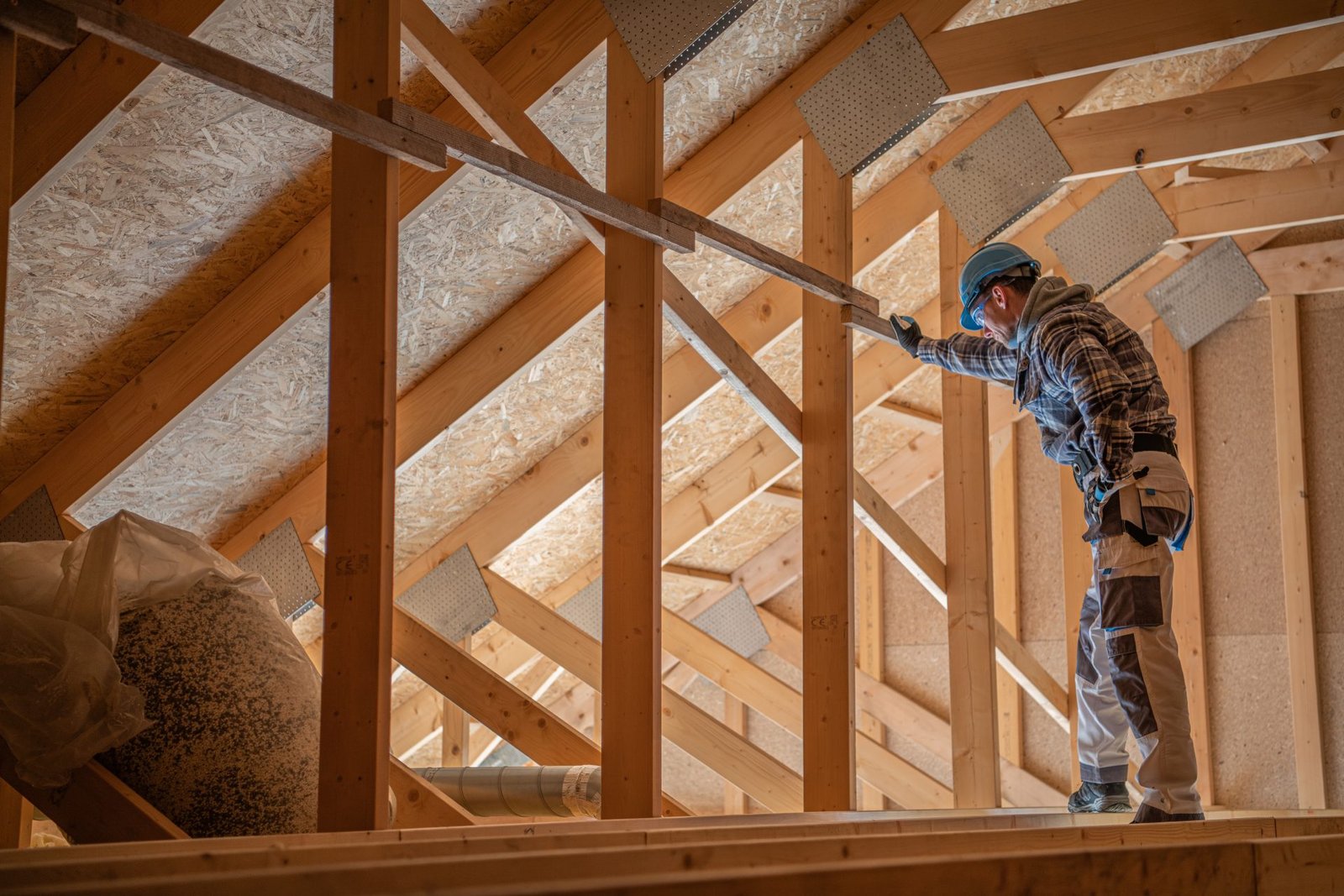
Better Insulation Protects Your Roof, Improves Comfort, and Helps Prevent Costly Damage
Attic insulation does more than keep your home comfortable. It plays a major role in protecting your roofing system, reducing moisture problems, and preventing premature roof wear. Many property owners focus on what’s visible on top of the roof, but what happens underneath the roof deck matters just as much. At Madison Roofing NYC, we work with homeowners throughout New York City and the Tri-State area to improve roof performance from the inside out, starting with proper attic insulation. In this guide, you’ll learn why attic insulation is essential, how it benefits your roof, what insulation materials are commonly used, and how to improve insulation efficiency for long-term protection.
Why Attic Insulation Matters in NYC and the Tri-State Area
Homes across Staten Island, Brooklyn, Queens, Manhattan, and the Bronx experience extreme seasonal temperature changes. In winter, cold air exposure and freeze-thaw cycles can impact roof performance. In summer, heat buildup can raise attic temperatures and increase HVAC strain. Without proper insulation, these conditions cause uneven temperatures inside the home and place extra stress on roof materials. Attic insulation helps regulate indoor comfort while reducing risks that can lead to roof leaks, ice dams, and moisture damage over time.
How Attic Insulation Supports Your Roofing System
Your roof system performs best when the space below it stays stable, dry, and temperature-controlled. Proper attic insulation creates a barrier that slows heat transfer between your living space and the attic. This helps prevent extreme attic temperatures, protects roof decking, and reduces the conditions that cause roofing materials to wear out faster than expected. A well-insulated attic also supports balanced ventilation, which is essential for long-term roof health.
Key Benefits of Proper Attic Insulation
Attic insulation provides both comfort and protection benefits that directly impact roof performance. The biggest advantages include:
• helps prevent ice dams by reducing heat escaping into the attic
• lowers moisture buildup that can contribute to mold and mildew
• reduces temperature extremes that stress roofing materials
• supports longer roof lifespan and more consistent performance
• improves energy efficiency and reduces utility costs
• keeps indoor temperatures more stable year-round
• reduces strain on heating and cooling equipment
How Poor Insulation Can Damage a Roof
Inadequate insulation often leads to heat escaping from the living space into the attic during colder months. That trapped heat can melt snow on the roof, which then refreezes at the edges and forms ice dams. Ice dams trap water and force it under shingles or roofing materials, leading to hidden leaks. Poor insulation can also cause condensation buildup, creating damp conditions that damage insulation, roof decking, and structural components. Over time, this can result in:
• roof leaks and water stains
• rotted decking and wood deterioration
• mold growth in attic spaces
• insulation damage and reduced energy efficiency
• premature aging of roofing materials
• repeated repairs that could have been avoided
Common Attic Insulation Materials
There are several insulation types available, and the best option depends on attic design, budget, and performance goals. Madison Roofing NYC helps homeowners choose the right insulation approach based on the structure of the home and the roofing system needs.
Fiberglass Batt Insulation
Fiberglass batts are one of the most common insulation options. They are usually installed between attic joists and can provide reliable performance when properly fitted without gaps or compression.
Blown-In Insulation
Blown-in insulation is commonly used to fill hard-to-reach areas and cover attic floors evenly. It can improve efficiency by reducing gaps, especially in older homes with uneven attic layouts.
Spray Foam Insulation
Spray foam insulation creates an air-sealing barrier as it expands. It can be effective for reducing air leaks and improving energy performance, but it must be installed correctly to avoid ventilation issues.
Rigid Foam Board Insulation
Rigid foam boards are often used in specific areas where space is limited or where higher insulation performance is needed. They can be useful for attic walls or areas requiring targeted coverage.
How to Improve Attic Insulation Efficiency
Insulation works best when it is continuous, evenly distributed, and supported by proper air sealing and ventilation. Here are strategies homeowners can use to improve attic insulation performance:
• seal attic air leaks around ducts, pipes, and wiring penetrations
• add insulation to meet recommended levels for the region
• avoid compressing insulation which reduces effectiveness
• cover gaps in insulation coverage where heat escapes
• confirm insulation is not blocking soffit vents or airflow paths
• evaluate attic ventilation to ensure moisture can escape properly
• inspect insulation after storms or leaks to confirm it stays dry
Why Ventilation and Insulation Must Work Together
Insulation and ventilation are often discussed separately, but they work as a team. Insulation controls heat transfer, while ventilation controls airflow and moisture. Without proper ventilation, even well-installed insulation can trap moisture and cause mold issues. Without insulation, ventilation alone cannot prevent heat loss and attic temperature spikes. A balanced system includes both correct insulation levels and a ventilation setup that supports consistent airflow.
Signs Your Attic Insulation May Need Improvement
Many homeowners do not realize insulation is failing until they see signs inside the home or roofing system. Indicators may include:
• high heating and cooling bills
• uneven room temperatures throughout the home
• cold drafts in winter or overheating in summer
• ice dams forming along roof edges
• musty attic smells or damp insulation
• visible mold or condensation in attic spaces
• roof materials aging faster than expected
If you notice any of these signs, a professional inspection can help determine whether insulation upgrades are needed.
Attic Insulation Upgrades During Roof Replacement
Roof replacement is one of the best times to address insulation problems because the roofing system is already being evaluated for performance issues. Madison Roofing NYC often recommends insulation improvements during major roofing work because it helps protect the investment and reduce future repair risks. A roof that is paired with proper attic insulation and balanced ventilation lasts longer and performs better year-round.
Roofing Services in NYC and the Tri-State Area by Madison Roofing NYC
Madison Roofing NYC provides roof replacement, roof repairs, flat roof installation, storm damage inspections, and preventative roof evaluations throughout Staten Island, Brooklyn, Queens, Manhattan, and the Bronx, with Tri-State area support based on property needs. Our team helps homeowners improve roof performance through quality roofing systems, insulation guidance, and strategies that reduce long-term wear and water damage risks.
Schedule a Roof Inspection and Insulation Evaluation
If you are planning a roof replacement or want to improve the performance of your home, attic insulation is one of the smartest upgrades you can make. Madison Roofing NYC can evaluate your roof system, check for heat loss and moisture risk, and recommend insulation improvements that support long-term protection. Contact Madison Roofing NYC today to schedule an inspection and request a roofing estimate tailored to your property.

